
Do your knees ache when you climb stairs? Does your back stiffen up after sitting too long? You’re not alone. Many older adults experience chronic pain from conditions like osteoarthritis. Hence, it often feels like exercise is no longer an option. Research shows something surprising, though. Staying active is one of the best ways to manage pain and enjoy activities.
The Science Behind Exercise and Pain Relief
For years, we’ve heard the phrase use it or lose it. When you have chronic pain, your first instinct might be to rest and avoid movement. While this seems logical, inactivity actually creates a harmful cycle. Without regular movement, your muscles weaken, your joints become stiffer, and your pain often gets worse. You lose physical function, which reduces your motivation to move, further worsening your condition.
Harvard University research shows important findings about exercise and aging. Physical activity shifts energy away from harmful processes. Instead, it directs energy toward mechanisms that extend health and longevity. In simpler terms, exercise helps your body repair itself and prevents premature breakdown .
This isn’t just about feeling better in the moment. In fact, exercise changes how your body ages at a fundamental level.
Exercise provides relief through multiple pathways. For example, stronger muscles better support your joints, reducing stress on painful areas. Additionally, physical activity helps you maintain a healthy weight, which takes pressure off your knees, hips, and back. Movement also improves your body’s alignment and posture, addressing some of the root causes of chronic pain. Perhaps most importantly, exercise boosts endorphins and positively affects the neurotransmitters involved in your pain response. Studies show that people who stay active tend to experience less pain overall. They also have better tools to manage any discomfort they do feel.
Why Exercise is Essential for Seniors
Regular exercise provides powerful protection against serious health conditions beyond pain relief. It significantly lowers your risk of type 2 diabetes, cardiovascular disease, and osteoporosis. Regular exercise also reduces fall risk and prevents fall-related injuries in older adults. Research suggests that staying active may slow cognitive decline in dementia and improve symptoms in Parkinson’s disease patients. It lowers your chances of developing diabetes, heart disease, and osteoporosis. Leading health organizations recommend that adults get 150 minutes of moderate-intensity physical activity each week. Add two days of muscle-strengthening activity to that. This might sound like a lot. But it breaks down to just 30 minutes a day, five days a week. You can even split that into three 10-minute sessions if needed.
Most importantly, exercise preserves your independence. Think about daily activities we take for granted. Carrying groceries requires strength. Getting in and out of the car takes flexibility. Opening jars demands grip strength. Walking the dog needs endurance. Mowing the lawn requires balance and stamina.
All these activities depend on your physical fitness. The time you invest in exercise now pays off later. It directly determines how long you can live independently. You’ll stay in your own home on your own terms.
Creating Your Safe Exercise Plan
Starting an exercise routine when you’re dealing with chronic pain requires a thoughtful approach. The key is to start with professional guidance, build gradually, and develop a program addressing all aspects of fitness. Learn more about Safe Strength After 50.
Starting with Professional Guidance
Your first step should always be consulting your doctor before beginning any exercise program. This is especially important if you have osteoarthritis, arthritis, lower back pain, knee pain, or other chronic conditions. Your doctor can assess your current health status and identify any activities you should avoid. They may refer you to a professional/personal trainer for a detailed fitness assessment. A professional can help you manage pain through movement. They can create a personalized program tailored to your specific limitations. They’ll teach you proper form to prevent injury. They’ll show you exercises that target your problem areas safely.
Once you have medical clearance, the golden rule is to start slowly. If you haven’t exercised regularly in months or years, your body needs time to adapt. This means beginning with shorter sessions, perhaps just 5 or 10 minutes. You can gradually increase duration and intensity over weeks and months. Ignore the old advice to “push through the pain” or “no pain, no gain”. Pain is your body’s warning signal. While some muscle soreness after exercise is normal, sharp or increasing pain means you should stop. If you have osteoarthritis, avoid excessive joint strain and work around areas that hurt.
Components of a Balanced Exercise Program
A complete fitness program includes three essential types of exercise, and you need all three for optimal health:
Strength training keeps your bones strong and your muscles healthy, which is crucial for supporting aging joints. You don’t need expensive gym equipment. Bodyweight exercises like wall push-ups, chair squats, and leg raises work well, as do resistance bands. Aim for strength training two to three times per week, with rest days in between to let your muscles recover. If you’re new to this, consider working with a trainer for a few sessions to learn proper form.
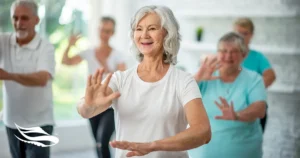
Flexibility and balance exercises like gentle yoga or tai chi keep your muscles and joints supple, improve balance, posture, and overall physical function. This type of movement reduces your risk of falls, eases joint pain, and helps you perform daily activities more easily. Even 10 to 15 minutes of stretching or gentle movement each day can make a significant difference. Many people find tai chi particularly beneficial because it combines flexibility work with balance training and stress reduction.
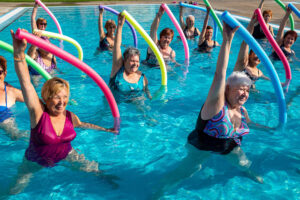
Endurance activities strengthen your heart and lungs and may actually help reduce pain and stiffness. Low-impact options like walking, swimming, water aerobics, or riding a stationary bike protect your joints while building cardiovascular fitness. Start with what feels manageable. It can be as little as 5 minutes, and gradually work up to 30 minutes on each session. Water exercises are especially good choices. Water supports your body weight, making movement easier and less painful.
Making Exercise Enjoyable and Sustainable
Finding activities you genuinely enjoy makes all the difference in sticking with your routine. Some people thrive in group fitness classes. They enjoy connecting with others and staying motivated together. Others prefer the flexibility of home workouts. You might enjoy outdoor activities like walking in nature or gentle water-based exercises. The key is discovering what works for your body, your schedule, and your interests. If you’re unsure where to start, seek professional help. An individualized exercise program can provide the structure and support you need. When exercise feels enjoyable rather than obligatory, you will stick with it. Finding activities you want to do makes maintaining the habit much easier in the long term.
The Importance of Rest and Recovery
Finally, remember that rest is not the opposite of exercise; it’s an essential part of your exercise program. Recovery time allows your body to repair and strengthen itself, preventing injury from overuse. Limit weight training to every second or third day. Take breaks when you need them. Always listen to your body’s signals. Being slightly tired or experiencing mild muscle soreness is normal and even indicates that you’re challenging yourself appropriately. But if something truly hurts, stop and consult your doctor before resuming your routine.
Moving Forward With Confidence
Living with chronic pain doesn’t mean accepting a sedentary lifestyle. Are you dealing with arthritis, back pain, or other age-related conditions? Appropriate exercise can help you feel better. It helps you stay independent longer. It improves your overall quality of life.
The research is clear. Physical activity slows the aging process. It reduces pain. It extends the number of years you can live actively and independently.
The most important step is simply to begin. Take it slow. Be patient with yourself. Remember that every bit of movement counts. Your 70-year-old body won’t perform as it did at 25. But it’s still capable of remarkable things. You just need to give it the right support. The time you invest in staying active today will pay dividends tomorrow. You will enjoy greater independence. You will experience more comfort. Your quality of life will improve for years to come.