
where science meets a life in motion
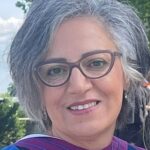
Hello, I am Azar. Thanks for visiting my website. I’m a PhD researcher and certified strength coach. I specialize in strength training for adults over 50.
Behind every person is a life story. Mine is about curiosity and commitment. It’s about aging with purpose and vitality. My journey includes real-life experience and academic study. It shaped not just what I know, but who I am today.
But let me take you back to where it all began. My story started with fear.
Today, I am a social scientist with a PhD in Health and Rehabilitation Sciences, specializing in Health Promotion. I am also a grandmother who lifts heavy weights, a runner, a yogi, and a lifelong learner. I continue to study the science of longevity and healthy aging.
My academic work taught me the science behind health and behaviour change. My lived experience as a 65-year-old taught me how to use those ideas in real life. Health is not temporary or rigid. It’s a lifelong practice. It’s built on consistency, self-respect, and curiosity.
Where Fear Became Purpose
Growing up, I watched illness affect the people I loved.
My mother’s family had severe Type 1 diabetes. My grandmother, aunts, uncles, cousins, and my mother all struggled with it. Many couldn’t follow the advice that might have helped them. My mother also lived with deep depression.
On my father’s side, cancer took my father, two uncles, and four young cousins. Alzheimer’s and schizophrenia claimed others.
I spent my youth trying to understand one question: why do some people get sick while others stay healthy?
My friends read novels. I read about health, longevity, and what makes the difference to find answers my family never had. I was desperate, and wanted to know if there was another path.
The answer didn’t come from books alone. It came from action.
That decision led me to exercise, strength training, and a healthy lifestyle. I became my own proof. It changed everything.
My Journey in Strength Training for Adults over 50
Pesonal training and Strength coaching for older adults: where practice Meets Science
Twenty-two years ago, I started working as a personal trainer and certified strength coach. I worked more often with adults over 50. I had younger clients, too.
They came to me wanting to stay strong and independent. But they were terrified of pushing too hard. I saw it again and again. Capable people holding back. They believed they were too fragile, too old. They thought they would get hurt if they challenged themselves.
But when given proper guidance, they proved themselves wrong every time.
This experience taught me what works for building strength after 50. It also showed me what doesn’t work.
But after years in the fitness industry, I realized something was missing. Fitness had become just a business for me. I needed more. I needed to understand the deeper “why”.
Strength Training after 50: Pursuing Deeper Understanding
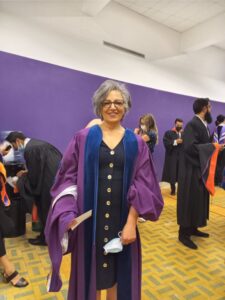
At 54, I made a decision that changed everything: I began my PhD in Health Promotion & Rehabilitation Sciences at the University of Western Ontario.
This wasn’t about leaving fitness behind. It was about going deeper. I wanted to connect my hands-on experience to science, to move beyond the gym floor, and to help people age with strength and dignity through evidence-based research.
My research focused on osteoporosis and exercise. I studied how to prevent bone loss. I looked at which exercises work best for persons living with osteoporosis.
Insights from Caregiving: What I learned
During my PhD years, I also worked part-time as a caregiver for older adults living at home. This experience changed how I understood healthy aging.
I witnessed how desperately older adults wanted to remain in their own homes. They would do anything to avoid moving to a long-term care home, but not just expressing a preference. They were fighting for their lives, their dignity, their independence.
Home meant everything to them. It meant independence and memories, the life they’d built, and the freedom to wake up in their own bed.
I learned that staying home requires action. It means staying active and eating well. Above all, it means maintaining strength. Without strength, even simple daily tasks such as getting out of bed, preparing meals, and bathing become challenges that take away independence.
This desire to “age in place” is nearly universal. Research consistently shows that most older adults wish to remain in their homes for as long as possible. It gives them a sense of identity and control.
The pandemic highlighted these preferences. A 2022 study found that more than 70% of older Canadians became less inclined to consider moving into nursing homes after witnessing conditions exposed during the first wave.
But here’s the difficult reality: the desire to stay home often clashes with the physical challenges of aging.
Many older adults eventually require care that cannot be safely provided at home. Research shows that weakness, lack of strength, and inability to perform daily activities such as bathing, dressing, and moving around are primary reasons for admission to long-term care.
This is why proactive strength training matters so much.
Every year we preserve our strength is another year living life on our terms in our own home, with our autonomy intact. When care eventually becomes necessary, we enter from a position of strength, not frailty.
Strength training isn’t just about building muscle. It’s about buying ourselves time; precious years of independence, dignity, and choice.
Research on exercise and Aging for adults over 50
Exercise and Osteoporosis
My first major research project was a systematic review and meta-analysis. I looked at which exercises are most effective for persons living with osteoporosis.
Key Findings from this study:
- Weight-bearing and resistance exercises significantly improve bone density and reduce fracture risk
- Regular physical activity improves balance and coordination, reducing the chance of falls
- Long-term commitment to exercise programs leads to better functional outcomes
Why It Matters: It proves exercise is a powerful, non-invasive way to improve bone health and keep independence.
PhD Thesis: Recovery After Shoulder Fractures
For my doctoral thesis, I focused on recovery after shoulder fractures in older adults. I used the World Health Organization’s ICF Framework. This framework looks at an injury as a whole, not just the bone. When studying an injury, we consider the whole person: their mental health, daily activities, and ability to participate fully in life.
Key findings from this study:
- Recovery after a fracture is about daily life, and activities, not just healing a bone
- Exercise matters, but real life barriers often stop people from doing it
- Recovery happens when a person feels supported by family and health professionals, has guidance that fits their daily routine, and builds confidence in their body again
Below is a plain-language summary of my PhD thesis:
When people have a shoulder fracture, recovery is not just about healing the bone. Many people struggle with everyday activities like dressing, bathing, cooking, and moving around independently.
In my doctoral research, adults recovering from shoulder fractures shared their real-life experiences through surveys and interviews. Most said that limitations in daily activities and social roles were their biggest challenges. Many couldn’t exercise in the early months after injury. This was often due to pain and fear of re-injury. Other factors included wearing a sling, other health conditions, or lack of access to safe and supportive environments.
People said that recovery was easier when they had support from family and health professionals. Access to safe and affordable places to exercise also helped. They also found it helpful to have guidance that fit their daily routines. Confidence, mindset, and social connection played an important role in helping them return to meaningful activities.
This research shows the importance of looking beyond the injury itself. It addresses the physical, emotional, and environmental factors that shape recovery.
See my other publications on Google Scholar
From Research to Practice
Working in Long-Term Care
After completing my PhD, I continued to work with long-term care homes.
Years of research and practice in long-term care showed me the importance of helping people age independently, long before nursing homes become the choice.
This belief drives my main goal at Move & Fit. My passion is to help people stay strong, confident, and engaged in life for as long as possible.
This ongoing work keeps me connected to the realities of aging. It reinforces why preventive strength training matters so much.
Biography
Education:
- PhD in Health Promotion & Rehabilitation Sciences, University of Western Ontario
- Specialization: Exercise for Healthy Aging, and being independent
Certifications:
- Certified Strength Coach, trained by Charles Poliquin
The Poliquin International Certification Program (PICP) is recognized worldwide for training elite strength coaches. The program focuses on structural balance assessments, body mechanics, and the design of effective training programs. Charles Poliquin was a world-famous strength coach who trained Olympic medalists and professional athletes in many sports. This training gave me skills in designing safe, effective programs for older adults while upholding the highest coaching standards.
Experience:
- 20+ years in fitness and health promotion
- Personal trainer and strength coach
- Published researcher
- Health policy advocate
My Philosophy on Strength Training for Adults over 50
Everything I learned as a trainer, caregiver, researcher, and health policy advocate comes together at Move & Fit.
I believe:
- Strength training for adults over 50 isn’t just possible; it’s ESSENTIAL
- Your body is more capable than you think
- Programs should be based on science, not trends
- Aging can be a time of strength and vitality with strength training for adults over 50, not just decline
- The right approach respects your body while challenging it appropriately
I don’t believe in:
- One-size-fits-all programs
- Extreme workouts or “no pain, no gain” thinking
- Quick fixes or unrealistic promises
- Training that ignores your history, concerns, or goals
Why I Created Move & Fit?
This website is where academic research meets real-life practice. I’ve spent decades learning strategies. These strategies help people move past the aches and pains often mistaken for “just getting older.”
At 65, I feel more capable and confident in my body than I did in my younger years. I want the same for you.
Move & Fit exists to support strength training for adults over 50:
- Build sustainable strength without injury through safe fitness programs
- Keep independence and mobility
- Move with confidence and clarity
- Age with vitality, not decline
Living Proof
I don’t just teach this approach; I live it.
At 65, I’m more mobile and active than I was 20 years ago. This isn’t genetics or luck. It’s the result of consistent, science-based training. Training that challenges and respects my body.
Every program I design is something I’ve tested personally. My advice is validated through research. The strategies I recommend are either tested personally or supported by research.
Let’s Work Together
If you’re ready to build strength safely, move with confidence, and keep the independence you value, I’m here to help.
Please reach out to me to start a conversation.
Aging is inevitable. Decline is optional.