
Strength training after 60 is essential for healthy aging, according to exercise guidelines for older adults. As we grow older, muscle mass, balance, and endurance naturally decline. Many people assume this means slowing down, avoiding challenge, or accepting weakness as part of aging. However, scientific evidence tells a very different story.
Research shows that regular physical activity, especially structured exercise, can slow age-related decline. Moreover, it helps people remain strong, mobile, and independent well into later life. Exercise does not stop aging. Instead, it strongly influences how well we function as we age.
Why Exercise After 60 Matters more than ever
Exercise affects much more than fitness. In fact, research shows that physical activity improves muscle strength, bone health, balance, brain function, mood, and quality of life. Because of these broad effects, experts now describe exercise as a form of medicine rather than just a healthy habit.
Unlike medication, exercise works across multiple body systems. First, it helps prevent chronic disease. Additionally, it supports daily function. Furthermore, it can improve conditions such as frailty, diabetes, depression, and cognitive decline. Importantly, these benefits are seen even when people begin exercising later in life.
According to the National Institute on Aging, older adutls who engage in regular physical activity experience significant improvements in overall health and quality of life.
Is Walking Enough Exercise After 60
Walking is among the most common activities recommended for older adults. It is accessible and beneficial for heart health. However, scientific evidence indicates that walking alone is insufficient to maintain strength, balance, or independence.
As we age, the body needs specific challenges to maintain muscle and stability. Walking does not place enough demand on the muscles to prevent muscle loss. Similarly, it does not adequately train balance reactions. Researchers found that exercise programs that include strength and balance training are more effective than walking alone at reducing falls and improving daily function.
The bottom line: Walking is excellent for cardiovascular health. However, it must be combined with strength and balance training for comprehensive health benefits.
Strength Training After 60 and Independence
Why Muscle Strength Declines With Age
Muscle loss is a major reason older adults struggle with everyday activities. Difficulty standing up from a chair, climbing stairs, carrying groceries, or recovering from a trip often reflects reduced muscle strength rather than age itself.
Without regular resistance exercise, muscle tissue gradually weakens. Consequently, this process affects mobility, balance, and confidence. Strength training directly targets this decline. As a result, it helps restore the ability to perform daily tasks safely.
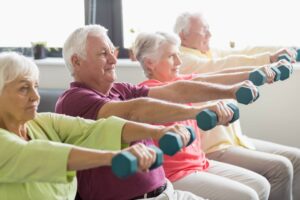
Recent studies show that strength training two to three times per week improves muscle function in older adults. This includes those who are frail or living with chronic conditions. Importantly, these improvements translate into better mobility and greater independence in daily life.
Is Strength Training Safe for Older Adults
Many people worry that strength training is unsafe after age sixty or seventy. However, the evidence does not support this concern. Long-term studies show that older adults who participate in properly designed strength training have fewer injuries, fewer hospitalizations, and lower fall risk than those who remain inactive.
When exercises are introduced gradually and adjusted to individual ability, strength training is safe and protective. In contrast, remaining sedentary increases the risk of weakness, falls, and loss of independence.
The Canadian Society for Exercise Physiology provides evidence-based guidelines showing that resistance training is not only safe but essential for healthy aging
Balance Training: Your Fall Prevention Strategy
Falls are a leading cause of injury among older adults. Loss of balance usually develops slowly as muscle strength and coordination decline. It is rarely sudden or unavoidable.
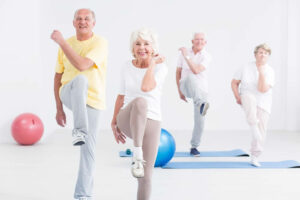
Regular balance training improves stability, coordination, and reaction time. Research shows that balance exercises are most effective when combined with strength training rather than performed alone. Even simple balance practice, when done consistently, can significantly reduce fall risk. Additionally, it improves confidence in daily movement.
Key takeaway: Balance training is not optional—it’s essential for maintaining independence and preventing injuries
Aerobic Exercise After 60: Buidling Endurance
Aerobic exercise supports heart and lung health, improves stamina, and contributes to a longer life. Activities such as brisk walking, cycling, swimming, or dancing help the body use oxygen more efficiently. Furthermore, they reduce the risk of chronic disease.
Experts recommend regular moderate aerobic activity. However, research also shows that smaller amounts still provide meaningful benefits. Short sessions spread throughout the day are effective, especially for beginners. Importantly, consistency matters more than intensity or duration.
How to Start Exercising Safely After 60
One of the strongest messages from the research is clear: exercise does not need to be extreme to be effective. Starting small and progressing gradually allows the body to adapt safely. Even five to ten minutes of focused movement can improve strength, balance, and confidence when practiced regularly.
Exercise should be adjusted based on personal health, mobility, and comfort. Over time, as the body adapts, activities can become more challenging. This steady progression is key to long-term safety and success.
The Bottom Line: Exercise as Medicine
Aging does not automatically mean weakness, frailty, or loss of independence. Strength, balance, and endurance are abilities that can be trained at almost any age. Scientific evidence consistently shows that regular, well-designed exercise supports physical function, brain health, and quality of life throughout later years.
At 65, I’m living proof of this. I’m stronger now than I was 20 years ago. This isn’t luck—it’s the result of consistent, evidence-based exercise following the principles outlined above.
Move & Fit: Evidence-Based Exercise for Healthy Aging
This evidence-based understanding is the foundation of the Move & Fit approach. The focus is not on extreme fitness or pushing limits. Instead, it is on safe, progressive movement that supports independence, confidence, and healthy aging over the long term.
If you’re ready to build strength safely and maintain your independence, I can help. My Safe Strength After 50 program provides personalized guidance based on these scientific principles—tailored to your body, your goals, and your pace.
Ready to get started? Schedule a free discovery call to discuss how evidence-based exercise can support your health and independence.
- Walking alone is not enough. Combine it with strength and balance training.
- Strength training is safe and essential for maintaining independence.
- Balance training prevents falls and builds confidence.
- Aerobic exercise supports heart health and longevity.
- Start small and progress gradually. Even 5-10 minutes daily makes a difference.
- Consistency matters more than intensity. Regular practice is key.